
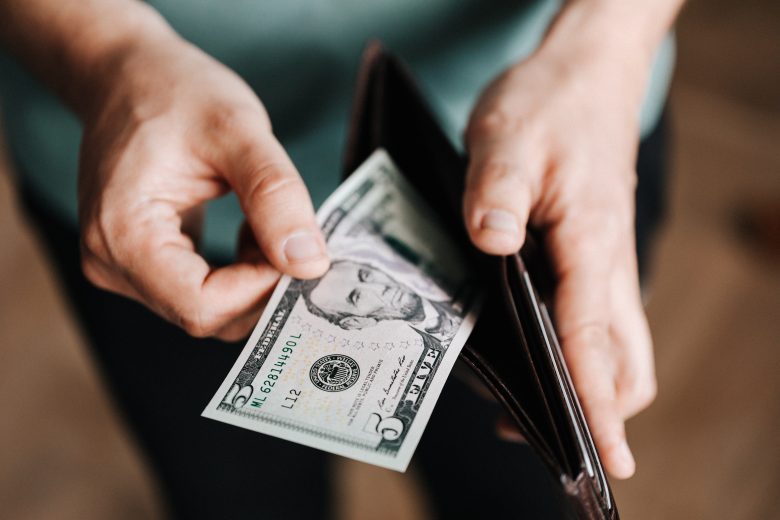
Money decisions rarely follow logical patterns. You might spend $5 on coffee without thinking twice, yet agonize over a $50 purchase that could save you hours each week. This disconnect between logic and behavior lies at the heart of behavioral economics—a field that examines why humans make seemingly irrational financial choices. Traditional finance assumes people …
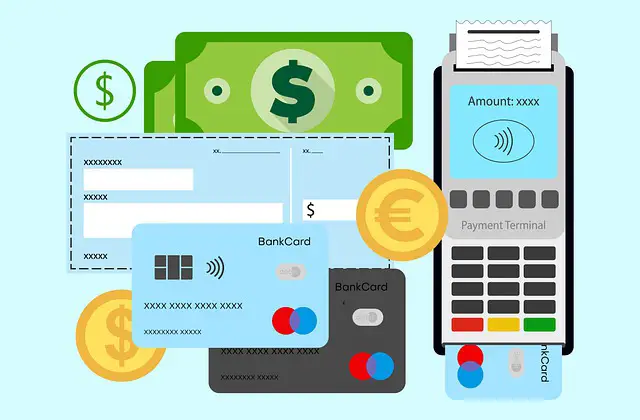
Have you ever wondered why people make seemingly irrational financial decisions? Why do consumers pay more for name-brand products when generic alternatives offer identical quality? Or why do investors panic during market downturns, selling low when logic suggests they should buy? The answer lies in behavioral economics—a fascinating field that reveals how psychological factors influence …
Money decisions aren’t made in a vacuum. Despite what traditional economics suggests, humans don’t always act rationally when it comes to spending, saving, or investing. Our emotions—whether we realize it or not—play a powerful role in every financial choice we make. Consider the last time you made an impulse purchase. Maybe you were feeling stressed …

The digital age intertwines technology and psychology in intriguing ways, particularly when viewed through the lens of behavioral economics. Apps are no longer just tools but carefully designed experiences that can change the way we think, act, and feel. Developers apply ideas from behavioral economics to create apps that subtly influence user behavior, whether it’s …

Are you uncertain about the reasons behind your decision-making? Consider the scenario where you opt for a salad over a hamburger simply because it’s the first item on the menu. That’s how nudge theory works. This psychological theory, made famous by the 2008 book Nudge by Richard Thaler and Cass Sunstein, posits that subtle cues …

Traditional economics assumes that people are rational and logical and make decisions in their own best interest. But in reality, this isn’t always true. Emotions, biases, habits, and social factors all influence our choices. Behavioral economics can help. This science uses psychology and economics to explain how people spend, save, and invest. Behavioral economics helps …
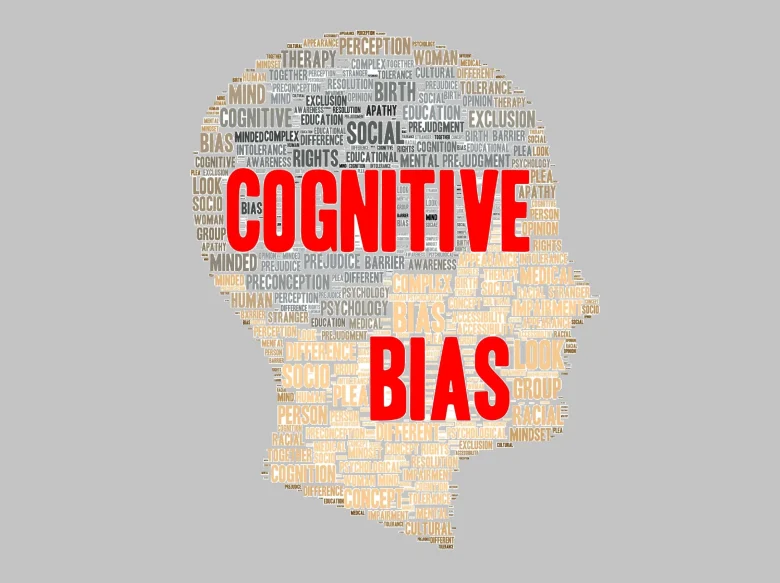
In the complex world of personal finance and investing, we often assume our decisions are rational. However, some cognitive biases can indirectly influence our financial judgments. Although our unconsciously developed mental shortcuts aim to boost efficiency, they frequently lead us astray in today’s data-driven financial landscape. As financial markets and personal budgets become more complex …
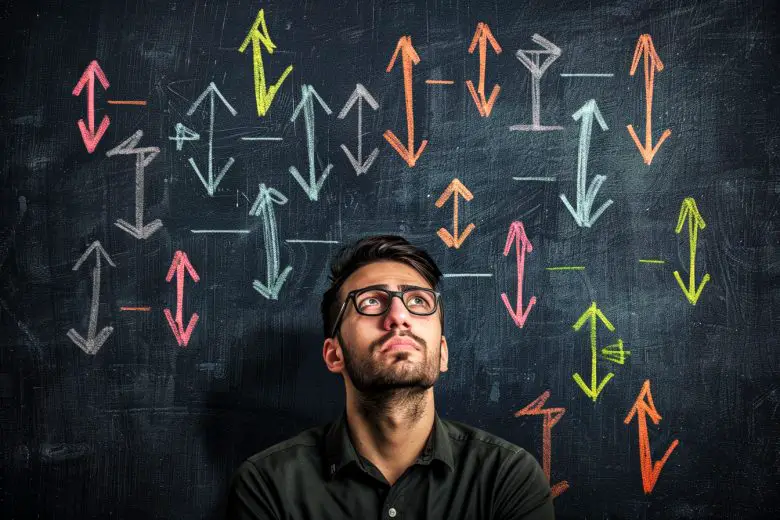
Think back to the last time you made a snap decision—like scoring a limited-time deal online or buying a well-known brand without checking the price. Instead of weighing the pros and cons, you might have used a mental shortcut called a “heuristic.” These straightforward guidelines assist us in making decisions swiftly and without excessive deliberation. …

One of the most important things a company can do is hire the right people, but unconscious biases can make it difficult to make the right choices. Behavioral economics combines psychology and economics to reveal how unobvious mental shortcuts influence hiring decisions, leading to discrimination, stereotyping, and missing out on top talent. These biases impact …
Have you ever driven to work or picked up your phone without thinking? Habits are just that. What causes these automatic habits? What makes them so challenging to establish or change? The answers lie in behavioral economics, a fascinating discipline that combines psychology and economics. This field explains why we form habits, how our brains …