It can be very difficult and stressful to manage debt, particularly when numerous debts, rates of interest, and monthly payments accumulate. However, settling debt is an essential step towards secure financial independence and security for the long run. Although there isn’t a universal solution to pay off debt, certain strategies have been proven successful in helping people to reduce the amount of debt they have over time. Learning these strategies and implementing these strategies with discipline could greatly impact how fast you get debt-free and the amount of interest you have to pay in total. The most important thing is to choose the right plan with your personal style and finances, as well as objectives.
Understanding Your Debt Situation
Prior to deciding on a debt repayment strategy, you must know the full extent of your debt. This includes listing all your debts, which includes personal loans, credit cards, auto loans, student loans, and mortgages. Record the outstanding balance, the interest rates, and the minimum month-long payments, as well as the due date for every account. A clear picture of your debt enables you to prioritize your payments and come up with an achievable plan. Knowing the amount you owe and who you owe it to can help to avoid late payments or late fees, which could increase the burden of debt. This step is essential for any effective strategy to pay off debt.
The Snowball Method
A popular and emotionally motivating strategy is the debt snowball method. This method concentrates on settling the smallest debts first regardless of the interest rate. Then, you continue to make the minimum payments on other debts, but you put any extra funds toward paying off the debt that is the least expensive. When that debt is paid, it is then transferred from the amount you paid into the next debt with the lowest amount. This “snowball” effect happens as the funds available to pay debts rise with each balance you get rid of. This strategy can provide rapid wins that help increase your momentum and keep you on track, particularly if you have difficulty with sticking to your long-term plans.
The Avalanche Method
Contrary to the snowball method, the debt avalanche approach prioritizes paying off debts that have the highest rate of interest first. After you have made minimum payments for all loans, extra money is deposited in the debt that has the highest interest rate. When the debt is completely paid, you can move on to the next one with the highest interest rate and then on to the next. This is the mathematically most cost-effective since it decreases the amount of interest you have to pay over the course of time. While it may take a bit longer to see your first debt wiped out as compared to the snowball approach, however, the avalanche will save you more in the end and allow you to get out of debt quicker.
Debt Consolidation
The debt-consolidation technique involves combining several debts into one credit or loan account, usually with a lower rate of interest. This will make your payments simpler as well as decrease how much interest you have to pay and let you concentrate on one bill per month instead of multiple. The most common methods of consolidation are personal loans as well as credit cards that allow balance transfers or home equity loans. But it’s not an easy fix. You must be disciplined to stay away from accumulating debt. If you’re a credit score holder and are able to secure a low interest rate, consolidating your debt could be a good option to speed up the process of paying off debt and make managing your finances easier.
The Process of Negotiating with Creditors
Sometimes, creditors are willing to negotiate terms for payment when you are open with them and show that you are willing to pay. Negotiations can include the reduction of interest rates, eliminating late fees, or even establishing the perfect payment plan to fit your budget. Debt settlement is a different option, in which creditors agree to take less than the entire amount owed in one lump total payment. Although negotiation may reduce the amount of debt you have to pay and reduce the monthly payment, it could also affect your credit score and should be handled with caution. Debt counselors from a profession can be in these negotiations and offer advice on whether this is the best option for your particular situation.
Creating a Realistic Budget
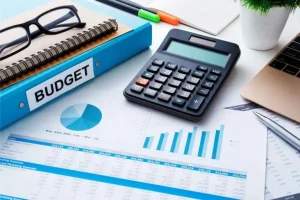
To pay off debt efficiently, you need cash to cover your debts above the minimum payments. A realistic budget can help you determine how much cash you can use towards the debt repayment every month. Monitor all your expenses and income carefully, and identify areas where you can reduce your spending, like eating out and subscriptions, as well as impulse purchases. The savings you make by budgeting could be used for debt payment. Following your budget keeps debt from growing and helps you develop more disciplined financial habits. A budget that is well-organized provides the structure needed to maintain momentum in your repayment plan.
Automating Payments
Automation is a straightforward but effective tool to use for any debt-payoff strategy. Making automatic payments that are at least the minimum amount for all debts will ensure you do not fail to meet due dates or pay penalties for late payments. Automating the payment of additional debts can help you to stay on track and help you avoid the temptation of using the money for other purposes. Automation can reduce stress and decrease the risk of human error and keep you on the right course. If you combine it with a budgeting program and a strategy for paying off debt, automatic payments can make your debt-free process more effective and secure.
Conclusion
The most effective debt repayment strategies that work depend on understanding your debts and selecting a strategy that is compatible with your personal style and finances by creating a budget and remaining committed. It doesn’t matter if you like the motivation of the snowball technique or the financial savings of the avalanche; consolidating debts or negotiating with creditors or automating payments, being consistent is the most crucial aspect. Keeping debt out of your system and using windfalls with care will further speed up your advancement. Being aware of your journey and seeking assistance when required will help you stay on the road towards financial freedom. If you are patient and committed, you can get rid of your debt and create an even more secure future.
FAQs
1. Which is the most effective method to pay off debt?
The most effective strategy is dependent on the circumstances; however, the snowball method is effective to boost motivation, and the avalanche method is the best way to save money on interest.
2. Can debt consolidation help me get out of debt faster?
Yes, if you can secure lower interest rates and pay your bills well, consolidation can help you manage your debt and lower expenses.
3. Does it make sense to bargain with the creditor?
Yes, many creditors are willing to collaborate with you if you speak honestly and show dedication to repaying your credit card.
4. What is the importance of budgeting for the process of paying off delinquency?
Budgeting is important because it lets you manage your spending and helps you allocate funds to the repayment of debt consistently.
5. Do I need to use additional cash, such as bonuses, to pay off my debt?
Utilizing windfalls to pay off debts can dramatically reduce the amount you owe and also help you save interest over the course of time.