
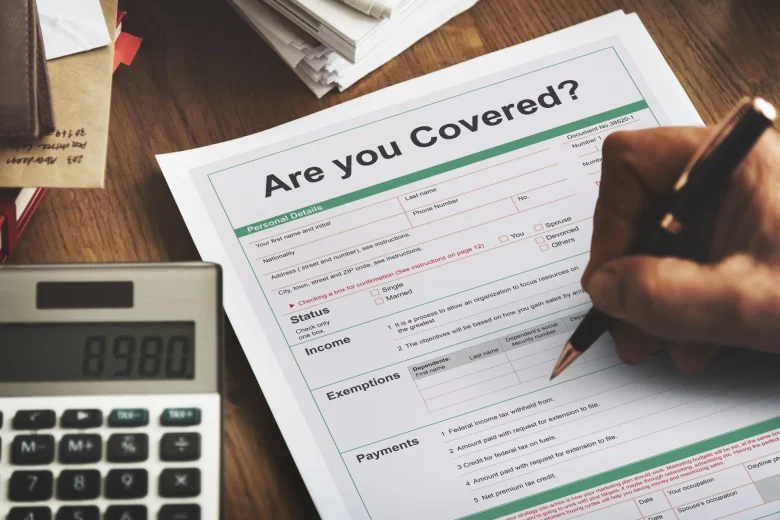
Filing an insurance claim can be difficult and worrying, especially if you’ve just lost something, been in an accident, or suffered property damage. Knowing how to file an insurance claim properly can help you get the money your policy requires, whether it’s for damage to your vehicle, medical bills, stolen goods, or damage from a natural disaster. Insurance is designed to provide comfort during challenging times, and understanding the process of filing a claim is crucial for optimizing its benefits.
Understanding What an Insurance Claim Is
A claim is a formal request you submit to your insurance company for compensation according to the terms of your policy. You can use the money to repair or replace damaged items, pay medical bills, compensate for loss of income, or compensate for other covered losses. You can file a claim for many different types of insurance, such as auto, health, home, life, travel, and business insurance. The method for filing a claim may vary depending on the type of policy and the insurance company you work with, but generally, the process is the same for all types of insurance.
Keep All your Information in Mind
One of the most important parts of filing an insurance claim is having the correct documentation. The more information you provide, the easier it is for the insurance company to assess your claim. This information may include photos, videos of the damage, police or medical records, eyewitness accounts, repair estimates, receipts, or medical bills. If the accident involved a car accident or property theft, report it to the police and request a copy of the report for your records. Record all accident details, including the date, the name of the person who contacted you, and any correspondence or phone calls with the insurance company.
Complete a Claim form correctly.
To provide accurate information about the damage, most insurance companies require you to complete a claim form. You can find this form online, in a mobile app, or by mail or email. Please be patient and complete the form to ensure all information is correct and complete. Providing incorrect or omitted information may result in your claim being denied or delayed. If you are unsure how to answer certain questions, feel free to contact your claims adjuster or insurance agent for advice. The entire process will run more smoothly if you are honest and trustworthy.
Request a Claim Decision and Settlement Offer
The insurance company will make a decision on your claim after reviewing all the evidence and completing the investigation. Once they approve the claim, they will present you with a settlement offer. This is the amount they will pay to compensate you for your losses. The settlement can be paid in full or in installments, depending on the insurance and claim. Payments may go to the provider, like a hospital or repair shop, not you. If the insurance company denies your claim, they should inform you of the reason and provide you with the opportunity to appeal or provide new information.
File Your Claim and Proceed
Once you accept the settlement, the insurance company will finalize the claim and pay you. Keep copies of all claim-related documents, such as letters, claim forms, receipts, and the final settlement letter, for your records. You may want to review these documents in the future if you have questions about your coverage or want to file a claim. After processing the claim, take the time to review your policy and consider whether you need to change your coverage based on what just happened. Filing a claim helps you learn and prepare for the future.
Avoid Common Mistakes when Filing a Claim
The claim process should be simple, but there are some common mistakes that can lead to delays or denials. These mistakes include waiting too long to report the accident, not recording the damage, not understanding the policy, and providing incorrect or insufficient information. To avoid these mistakes, stay organized and proactive, and ask questions if you’re unsure. The insurance company is ready to help, but the process works best when both parties know what to do and communicate well. Process your claim faster and more successfully by being thoughtful, patient, and thorough.
Conclusion
Filing an insurance claim doesn’t have to be difficult. By understanding the process, preparing the necessary documents, and staying in touch with your insurer, you can navigate every step with confidence. From reviewing your policy and reporting the accident to communicating with the adjuster and receiving your compensation, every step is designed to help you cope with your loss. Insurance protects you when life unexpectedly takes you, and knowing how to properly file a claim ensures you’re protected when you need to share confidential information.
FAQs
1. What does filing an insurance claim entail?
A claim is a formal request to your insurer for a covered loss or event based on your policy coverage.
2. When is the best time to file an insurance claim?
You should file your claim as soon as possible after the accident. Waiting too long could result in your claim being denied or becoming more complicated.
3. What documents are needed to file a claim?
Depending on your insurance policy, you will usually need to provide photos, receipts, police or medical records, repair estimates, and a completed claim form.
4. What does a claims adjuster do?
Your insurance company will send a claims adjuster to investigate your claim, determine the extent of the damage, and determine the payment.
5. Is it possible my claim will be denied?
Yes, a claim can be denied if the accident is not covered, if the information provided is missing or inaccurate, or if the claim violates the terms of your policy.


